The Great Dispute: Sugar Beet Vs Sugar Cane - Which Is the Superior Choice for Sugar?
The debate over sugar beet versus sugar cane as the favored sweetener involves several critical aspects. Each deals unique advantages and challenges regarding production, taste, and wellness effects. While sugar beet might interest those prioritizing sustainability, sugar cane has its own social and culinary relevance. As customers become a lot more aware of their selections, the concern continues to be: which sugar truly attracts attention in today's market?
The Origins of Sugar Beet and Sugar Cane
Sugar cane has actually been cultivated for thousands of years, mostly in exotic areas, sugar beet arised as a considerable alternative in cooler environments throughout the 18th century. Sugar cane, belonging to Southeast Asia, was first tamed around 8000 BCE and spread globally with trade and exploration. Its high sucrose web content made it a beneficial plant, resulting in comprehensive ranches in areas like the Caribbean and Brazil.
On the other hand, sugar beet was first cultivated in the Mediterranean around the 18th century, especially acquiring grip in Europe as an action to sugar cane scarcities. The plant grows in temperate climates, making it appropriate for regions with colder weather. The exploration that sugar can be removed from beet roots reinvented sweetener manufacturing, especially during the Napoleonic Battles when trade limitations minimal cane sugar access. The surge of sugar beet growing marked a turning point in the history of sugar, providing a local resource for many countries.
Production Procedures: From Area to Sweetener
The manufacturing procedures of sugar beet and sugar cane expose substantial distinctions in growing techniques, collecting methods, and improvement stages. Recognizing these subtleties is crucial for valuing just how each plant adds to the overall sugar market. This comparison highlights the special attributes and challenges linked with both resources of sweetness.
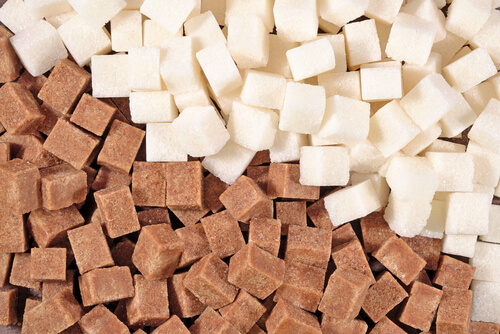
Farming Strategies Contrast
Cultivation strategies for sugar beet and sugar cane disclose distinctive methods that influence their manufacturing procedures, from area preparation to final sweetener removal. Sugar beet growing usually includes plowing and harrowing to create a great seedbed, followed by seeding in rows to facilitate development. This crop take advantage of cooler climates and is commonly grown in springtime. In contrast, sugar cane is typically planted in furrows with pre-sprouted cane pieces, calling for a cozy, exotic environment for perfect development. Cane fields are frequently laid out to manage water successfully, provided its requirement for substantial watering. Both crops are managed with specific fertilization and insect control methods tailored to their development atmospheres, influencing yield quality and efficiency in sugar extraction.

Collecting Techniques Discussed
Effective harvesting methods for sugar beet and sugar cane play an important function in guaranteeing maximum return and top quality of the final item. Sugar beet gathering generally utilizes mechanized origin harvesters, which successfully uproot the beets from the dirt and different them from the foliage. This approach lessens damage to the beets and decreases labor costs. In contrast, sugar cane harvesting might utilize either hands-on labor or machinery, relying on the area and scale of manufacturing. Mechanical harvesters reduced the cane at the base and usually strip away the fallen leaves, optimizing the procedure for larger fields. Both methods require mindful timing to ensure the plants are harvested at peak sweet taste, affecting the quality of the last sweetener item.
Improvement Process Differences
While both sugar beet and sugar cane undergo strenuous refinement processes to change their raw kinds into useful sweeteners, the approaches employed differ substantially. Sugar beet improvement starts with cleaning and cutting the beets into slim cossettes, adhered to by diffusion, where hot water removes sucrose. The resulting juice is then detoxified, focused, and taken shape. In comparison, sugar cane processing involves crushing the stalks to remove juice, which is after that clarified using lime and heat to remove pollutants. The cane juice is vaporized to form syrup prior to crystallization. Ultimately, while both procedures aim to generate white sugar, the distinct techniques highlight the special features of each source and their implications for flavor and purity in the end product.
Nutritional Profiles: What's in Your Sugar?
The dietary profiles of sugar beet and sugar cane present distinct distinctions worth examining. This comparison includes facets such as caloric content, mineral and vitamin visibility, and variants in glycemic index. Understanding these aspects can provide understandings into just how each sweetener may affect overall wellness.
Caloric Content Contrast
Comprehending the calorie content of sugar beet and sugar cane is crucial for those conscious of their dietary selections. Both sugar largely are composed of sucrose, adding a similar calorie worth. Normally, sugar beet consists of around 387 calories per 100 grams, while sugar cane has regarding 390 calories per the exact same quantity. The minor difference in calorie web content may not greatly influence most diet plans; nevertheless, it is exceptional for those very closely checking their calorie intake. Additionally, both sugar resources offer energy but do not have essential nutrients, making them primarily resources of empty calories. Individuals seeking healthier alternatives might desire to take into account these factors when selecting in between sugar beet and sugar cane as their favored sweetener.
Mineral and Vitamin Web Content
Caloric material provides just a component of the image when evaluating sugar beet and sugar cane. Both sources of sugar vary noticeably in their mineral and vitamin accounts. Sugar beetroots are incredibly rich in important nutrients, consisting of potassium, magnesium, and iron. They additionally include little amounts of vitamins such as B6 and folate, contributing to their nutritional worth. In learn the facts here now comparison, sugar cane provides a various collection of benefits, having calcium, phosphorus, and traces of B vitamins. While neither choice is a substantial source of nutrients contrasted to whole foods, sugar beets may have a mild edge because of their greater mineral content. Ultimately, customers seeking dietary take advantage of sweeteners must consider these differences in profiles.
Glycemic Index Differences
Glycemic index plays an important function in assessing exactly how different sweeteners influence blood sugar level levels. Sugar beet and sugar cane show notable distinctions in their glycemic feedbacks. Usually, sugar beet has a lower glycemic index contrasted to sugar cane, resulting in a slower and steadier increase in blood sugar levels after consumption. This attribute may make sugar beet a preferable alternative for individuals managing diabetes mellitus or those seeking to maintain secure power levels. On the other hand, sugar cane often tends to cause an extra quick spike in blood sugar level, which could bring about quicker power collisions. Understanding these differences is significant for consumers intending to make educated dietary choices pertaining to sugar and their influence on overall health.
Ecological Impact: Sustainability Factors To Consider
While both sugar beet and sugar cane are necessary sources of sugar, their environmental impacts and sustainability factors to consider differ considerably. Sugar beetroots, primarily expanded in pleasant regions, generally call for less water and can be grown in diverse environments. They additionally take advantage of crop rotation practices, which enhance dirt health and wellness and decrease the need for artificial plant foods. Nonetheless, intensive farming of sugar beets can result in dirt depletion and pesticide use.
In contrast, sugar cane flourishes in tropical environments and frequently requires substantial water resources for irrigation (Sugar beet vs sugar cane). The monoculture nature of sugar cane farming can intensify dirt disintegration and biodiversity loss. Furthermore, the burning of cane fields prior to harvest launches carbon emissions and adds to air contamination. Both crops deal with obstacles pertaining to climate adjustment, yet their varying farming techniques profoundly influence their total sustainability accounts. For that reason, the selection between sugar beet and sugar cane entails evaluating these ecological influences very carefully
Preference and Culinary Uses: Which Sweetener Reigns Supreme?
The option in between sugar beet and sugar cane extends beyond environmental considerations to incorporate taste and culinary applications. Sugar beet, often perceived as having a somewhat various flavor account, has a tendency to be less pleasant than sugar cane. This subtle difference can affect its usage in recipes, particularly in baked items where a neutral sweetness is wanted.
Conversely, sugar cane is celebrated for its unique, abundant, and much more complex taste, making it a recommended choice for drinks and treats - Sugar beet vs sugar cane. Its natural molasses material can improve the deepness of tastes in various meals
In food preparation, sugar cane's adaptability beams via in marinades, lusters, and confections, while sugar beet is generally discovered in processed foods and sweeteners like granulated sugar. Ultimately, the decision in between both sugar typically rests on private taste choices and specific cooking applications, with each offering special advantages his explanation in the kitchen.
Health Implications: Sugar Beet Vs Sugar Cane
Both sugar beet and sugar cane have distinct health implications that can affect consumer choices. Sugar beet vs sugar cane. Sugar beet is typically pertained to this link for its higher fiber web content, which can assist digestive wellness. In addition, it has specific antioxidants that might contribute to overall well-being. On the other hand, sugar cane is abundant in nutrients such as calcium, potassium, and magnesium, using some mineral advantages
Nonetheless, both resources mostly consist of sucrose, which can result in similar wellness issues when eaten excessively, such as obesity, diabetes, and heart problem. The processing approaches likewise vary; sugar beet is usually refined more intensively, possibly leading to a loss of specific nutrients. Customers concerned about ingredients may choose sugar cane, as it frequently undergoes less processing. Ultimately, recognizing these wellness effects can lead individuals towards making informed choices regarding their sugar choices.
Customer Preferences: Fads and Insights
Consumer choices for sweeteners have actually developed significantly in recent years, influenced by wellness trends, environmental problems, and nutritional options. Boosted recognition of the adverse health results connected with excessive sugar intake has actually led several consumers to look for choices. This shift has prompted an expanding passion in all-natural sugar, with sugar beet and sugar cane being at the forefront of discussions.
Research indicates that consumers are significantly preferring sugar beet as a result of its perceived environmental advantages, as it is frequently grown closer to processing plants, reducing transportation discharges. On the other hand, sugar cane is usually associated with exotic areas and might bring understandings of sustainability difficulties.

Regularly Asked Concerns
Exactly How Do Sugar Beet and Sugar Cane Affect Blood Sugar Levels?
Sugar beet and sugar cane both contain sucrose, which can raise blood sugar levels. The effect mainly depends upon individual metabolic rate and usage quantities, yet both sources add likewise to blood glucose actions in many cases.
Which Sugar Is Much Better for Cooking and Cooking?
When evaluating sweeteners for baking and food preparation, one have to think about texture, taste, and dampness retention. Sugar beet and sugar cane both offer distinct top qualities, with sugar cane frequently liked for its richer flavor profile in cooking applications.
Can Sugar Beet or Cane Be Made Use Of in Vegan Diets?
Both sugar beet and sugar cane can be made use of in vegan diet plans. They are plant-derived sugar, making them appropriate for individuals seeking vegan-friendly options without pet items, making sure moral choices in their cooking practices.
What Are the Historic Uses Sugar Beet and Cane?
Historically, sugar beet and cane functioned as important resources of sweetness, with cane cultivated in tropical regions and beet in temperate areas. Both have actually been important to numerous societies, economies, and culinary customs throughout background.
Are There Any Kind Of Alternatives to Sugar Beet and Cane?
Alternatives to sugar beet and cane include agave nectar, honey, maple syrup, and synthetic sugar like aspartame and sucralose. These replacements supply differing tastes and health advantages, appealing to diverse nutritional preferences and limitations.
Comments on “Sugar beet vs sugar cane: Top applications in everyday life”